Medetomidine and xylazine in Europe 2026: the sedatives creeping into the supply
A 2026 briefing on xylazine ("tranq") and medetomidine ("rhino tranq") in Europe — what these veterinary sedatives are, why they are turning up in heroin, ketamine and fake benzos, and how to respond to an overdose naloxone alone cannot fix.

For most of the last decade, the scary additions to Europe's drug supply were opioids: fentanyl, then the nitazenes. In 2026 there is a second category to watch, and it is not an opioid at all. Alpha-2 agonist sedatives — xylazine, known on the street as "tranq", and its far more potent cousin medetomidine, sometimes called "rhino tranq" — are moving out of the North American opioid supply and starting to appear in the UK, with early signals on the European mainland. They are veterinary sedatives. They are not reversed by naloxone. And they have started turning up not only in heroin, but in ketamine and in counterfeit benzodiazepines.
That last point is why this is no longer only a concern for people who use street opioids. This briefing covers what these drugs are, where they came from, what the 2026 European picture actually looks like, and — most importantly — how to recognise and respond to an overdose that a single dose of naloxone will not fully fix.
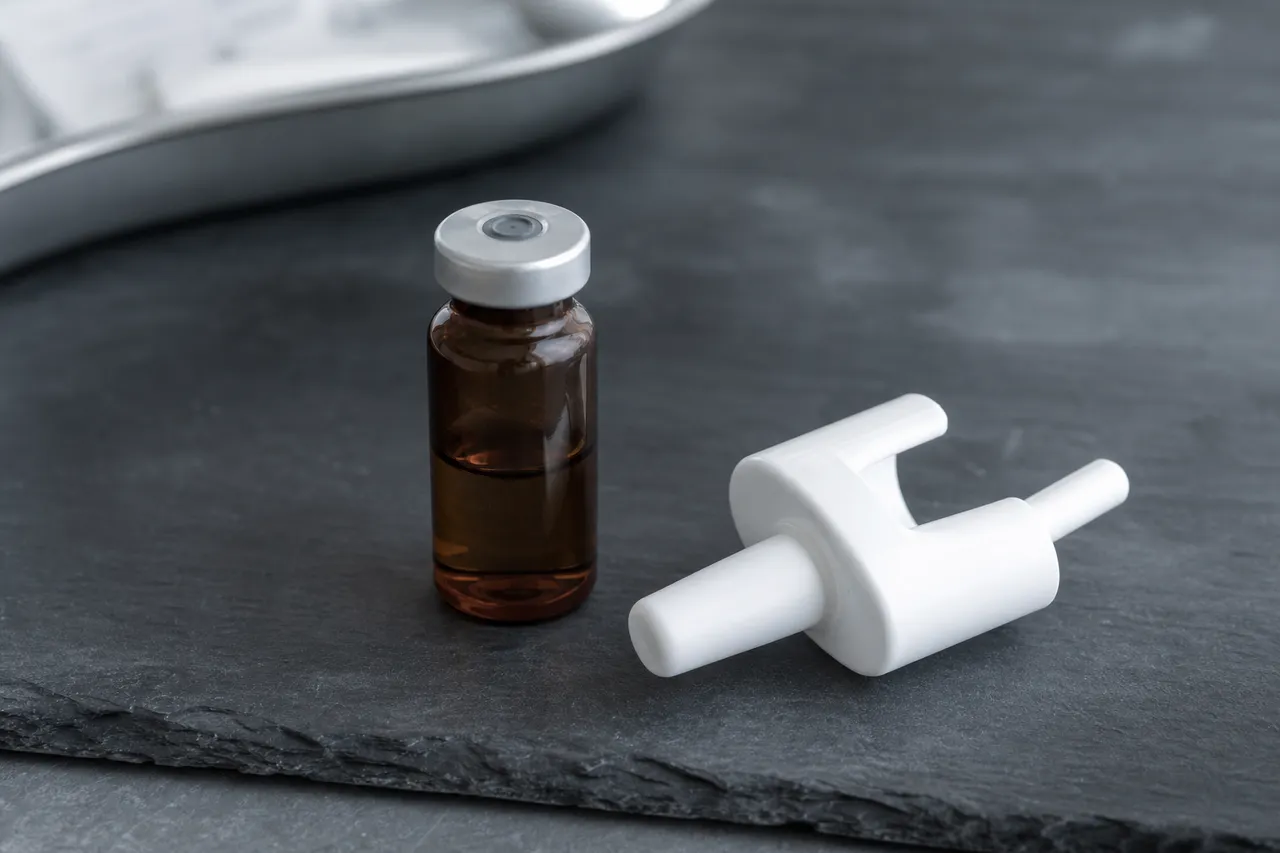 Naloxone still belongs in your pocket in 2026 — but against an alpha-2 sedative like medetomidine it only reverses the opioid that is usually mixed in alongside, not the sedation itself. Knowing that difference is the whole point of this piece.
This piece complements our fentanyl and nitazenes in France 2026 briefing and the ketamine in Europe 2026 guide, where the adulteration picture overlaps. For opioid background and dose, see the opioids and heroin profiles.
TL;DR
- Xylazine ("tranq") and medetomidine ("rhino tranq") are veterinary sedatives, not opioids. They are alpha-2 adrenergic agonists used to extend and deepen the effect of street opioids.
- Medetomidine is the bigger concern. It is roughly 100–200 times more potent than xylazine, with longer, deeper sedation and a severe withdrawal syndrome. In parts of the US it overtook xylazine in the opioid supply within months.
- Naloxone does not reverse either of them. It reverses the opioid that is usually present alongside, which is why you still give it — but the sedation can persist after the opioid is reversed.
- The European signal is real but early. Medetomidine was detected in the UK illicit supply from late 2025; the ACMD recommended controlling it and detomidine as Class C in October 2025, with control expected in 2026. Crucially, UK detections include ketamine and drugs sold as benzodiazepines, not just heroin.
- What to do in 2026: carry naloxone and know its limits, never use alone, put a heavily sedated person in the recovery position and monitor breathing, and treat any unexpectedly deep, long "nod" as a possible sedative adulterant.
What these drugs actually are
Xylazine, medetomidine and detomidine are alpha-2 adrenergic agonists — a class of sedatives that act on the central nervous system to produce drowsiness, muscle relaxation, lowered heart rate and lowered blood pressure. They are licensed as veterinary medicines (animal sedation and anaesthesia), not for human use. Clonidine and dexmedetomidine, from the same family, do have human medical uses, which is part of why these compounds are available at all.
In the illicit supply they are not sold for their own sake. They are adjuvants: added to opioids to lengthen and deepen the high, because the synthetic-opioid "rush" from fentanyl or nitazenes is short. A sedative on top stretches the effect.
The key differences:
- Xylazine ("tranq", "tranq dope") — the first of these to spread widely, mostly in the US. Strongly associated with severe skin wounds and ulcers that can appear anywhere on the body, not only at an injection site, and that heal slowly.
- Medetomidine ("rhino tranq", "mede", "dex") — roughly 100–200 times more potent than xylazine by weight. Produces longer, deeper sedation and pronounced bradycardia (very slow heart rate). Notably, research so far has not linked medetomidine to the xylazine-style wounds — in some US data, wound rates fell as medetomidine replaced xylazine.
- Detomidine — a related veterinary sedative flagged by UK advisers as a likely future entrant, included pre-emptively in control recommendations.
Where it came from: the North American story
This started in the United States. Xylazine became established in the US illicit opioid supply over several years, concentrated in cities like Philadelphia, where "tranq dope" — fentanyl cut with xylazine — became the dominant street-opioid form and drove a wave of severe wounds.
Then the supply shifted again. According to US public-health reporting, medetomidine first appeared in the illicit supply around 2021 and began showing up with fentanyl across multiple cities from mid-2023. In Philadelphia the change was fast: between May and November 2024, the share of street-opioid samples containing medetomidine rose from under a third to the large majority, while xylazine's share fell sharply. The US CDC issued a national health advisory on medetomidine, warning of overdose risk and a severe withdrawal syndrome, and noting it had been detected in samples or people across at least 18 states by mid-2024. In the illicit product, both isomers of medetomidine are present — unlike the pharmaceutical, which contains only dexmedetomidine — pointing to clandestine synthesis rather than diverted veterinary stock.
The pattern is the familiar one: control or disrupt one adulterant, and a more potent, less-regulated replacement takes its place.
The Europe 2026 picture
Europe is not where the US is — and it is important to be accurate about that rather than alarmist.
Most European heroin is still Afghan-origin brown heroin, and the synthetic-opioid problem on the mainland remains comparatively limited (the longer version of that argument is in our France fentanyl briefing). But the sedative signal has now crossed the Atlantic:
- UK detections from late 2025. Public-health agencies in the UK and Scotland reported medetomidine appearing in the illicit drug supply from late 2025, with detections increasing.
- A control decision is underway. In October 2025 the UK's Advisory Council on the Misuse of Drugs (ACMD) recommended that medetomidine and detomidine be added to Class C of the Misuse of Drugs Act (placed in Schedule 4 Part 1, reflecting their legitimate veterinary use). Control is expected to take effect in 2026 — which, on past form, may simply push the market toward the next uncontrolled alpha-2 compound.
- It is not staying in the heroin lane. This is the part that matters most for readers of this site: UK monitoring has found xylazine-type drugs in the wider supply, including in ketamine and in products sold as benzodiazepines. Scotland's drug-checking and early-warning work has flagged nitazenes and medetomidine turning up in samples sold as street benzos.
- The benzo crossover. Counterfeit "Xanax"/"Valium" pressed from designer benzodiazepines (bromazolam and, increasingly, newer analogues like ethylbromazolam) have repeatedly been found to also contain potent additives — nitazenes, and now alpha-2 sedatives. See the benzodiazepines and Xanax profiles for why counterfeit pressed pills are so hard to dose.
So the honest 2026 statement is: widespread alpha-2 contamination of the European recreational supply has not happened, but the early-warning signals are now firmly present, and they already reach beyond opioid users.
Why recreational (non-opioid) users should care
If you only ever use ketamine, MDMA or "benzos," it would be easy to file xylazine and medetomidine under "not my problem." Two reasons not to:
- Cross-contamination is documented. Medetomidine has been found in UK ketamine and in counterfeit benzodiazepines. A dissociative user expecting ketamine, or someone taking what they believe is diazepam, is not expecting a potent veterinary sedative on top — and has no opioid tolerance or naloxone plan.
- The combination is what harms. An unexpected sedative stacked on alcohol, GHB, ketamine or benzodiazepines deepens central-nervous-system depression in a way the user did not plan for. The danger is less about one molecule and more about unplanned layering of depressants.
Effects, overdose, wounds and withdrawal
- Sedation. Deep, longer-lasting drowsiness or unconsciousness; with medetomidine the sedation is notably prolonged. The person may be very hard to rouse while still breathing.
- Cardiovascular. Pronounced slowing of heart rate and lowered blood pressure. This is a particular concern when combined with opioids, which slow breathing.
- The naloxone gap. Because alpha-2 agonists are not opioids, naloxone does not reverse their sedation. When someone has taken an opioid–sedative mix, naloxone can restore breathing by reversing the opioid, but the person may stay deeply sedated afterwards and needs monitoring and medical care.
- Wounds (xylazine). Xylazine is linked to serious, slow-healing skin wounds and ulcers, which can appear away from injection sites and affect people regardless of how they use. Medetomidine has not been consistently linked to these wounds so far, though it is chemically related and caution is advised.
- Withdrawal (medetomidine). US clinicians have described a severe withdrawal syndrome — agitation, high blood pressure, rapid heart rate — that is harder to manage than opioid withdrawal alone and frequently needs medical support.
Harm reduction in practice
- Carry naloxone and understand its limits. It remains essential, because an opioid is usually the co-ingredient and reversing it can restore breathing. Just do not expect it to "wake up" someone sedated by medetomidine or xylazine — give it, then manage the airway and get help.
- Never use alone. A prolonged, deep sedative effect is survivable mainly because someone else is there to position the airway and call for help. Use with someone present, or use a remote-monitoring service like a "never use alone" phone line where one exists.
- Recovery position, always. Anyone heavily sedated but breathing goes on their side, head tilted, airway clear, and is monitored continuously. Aspiration is a leading cause of death in deep sedation.
- Go low and slow with anything unverified. A small test amount and a real wait is the only way to catch an unexpectedly heavy effect before it becomes an emergency.
- Use drug checking where you can. Standard fentanyl test strips detect fentanyl, not nitazenes and not alpha-2 sedatives, so a "negative" strip does not clear a sample. Laboratory drug checking (drop-in or postal, as covered in our festival drug checking guide) is the only way to actually detect these adulterants.
- Wound care for people who inject. Given xylazine's wound profile, keep injection sites and any wounds clean, rotate sites, and seek care early for skin damage — wounds can appear away from the injection site.
When someone overdoses on an opioid–sedative mix
- Check response and breathing. If they are unresponsive and breathing is slow, shallow or stopped, treat it as an emergency.
- Call emergency services. Tell them you suspect an opioid overdose possibly involving a sedative adulterant.
- Give naloxone. One dose intranasal or intramuscular; a second after 2–3 minutes if there is no response. It will not harm the person even if a sedative is the bigger factor, and it reverses the opioid that is usually present.
- Manage the airway. Recovery position, head turned, airway clear. Because the sedation can outlast the naloxone, keep monitoring breathing even if they revive — and be ready to give rescue breaths.
- Stay until help arrives. Sedative-driven sedation can return as naloxone wears off. Do not leave them alone.
FAQ
Does naloxone work on xylazine or medetomidine?
No — not on the sedative itself. Both are alpha-2 agonists, not opioids, so naloxone cannot reverse their sedation. You still give naloxone, because these drugs are almost always mixed with an opioid (fentanyl or a nitazene), and reversing that opioid can restore breathing. After that, the person may remain sedated and needs monitoring and medical care.
Is this actually in Europe, or just the US?
Both, at very different scales. The large-scale "tranq" problem is North American. In Europe, medetomidine was detected in the UK supply from late 2025 and is on track to be controlled in 2026, and UK monitoring has found it in ketamine and counterfeit benzodiazepines as well as opioids. Widespread mainland-European contamination has not been reported — but the early-warning signals are now clearly present.
I use ketamine, not heroin. Why does this matter to me?
Because medetomidine has been detected in UK ketamine and in fake benzodiazepines. You can encounter an alpha-2 sedative without ever intending to take an opioid — which means an unexpected, prolonged sedation with no plan for it. That is exactly the scenario these adulterants create.
Do these cause the skin wounds I have seen in the news?
That is xylazine, which is strongly linked to severe, slow-healing wounds that can appear anywhere on the body. Medetomidine has not been consistently linked to those wounds so far, and in some US data wound rates fell as medetomidine replaced xylazine. Both still warrant good wound hygiene for anyone injecting.
Will fentanyl test strips detect them?
No. Fentanyl strips detect fentanyl (and some detect a few analogues). They do not detect nitazenes, xylazine or medetomidine. A negative strip does not mean a sample is clear of these sedatives — only laboratory analysis can confirm that.
Why do suppliers add a veterinary sedative at all?
To stretch the high. Synthetic opioids like fentanyl and nitazenes have a short duration; an alpha-2 sedative on top lengthens and deepens the effect cheaply. When one sedative is controlled, the market tends to move to a more potent, less-regulated replacement — which is how xylazine gave way to medetomidine.
Bottom line
Three things to remember.
One class, not an opioid: xylazine and medetomidine are alpha-2 sedatives, so naloxone does not reverse the sedation — though you still give it for the opioid that is almost always mixed in.
100–200 times: medetomidine's rough potency relative to xylazine, which is why its sedation is deeper and longer and its withdrawal harder to manage.
Already past the heroin lane: the 2026 UK signal includes ketamine and fake benzodiazepines, so this is not only a concern for people who use opioids.
Carry naloxone and know its limits, never use alone, put a sedated person on their side and watch their breathing, and get anything you are unsure about checked at a lab rather than trusting a test strip. The European numbers are still small — the time to learn this is now, while they are.